Local Guide
Beyond Rice: Cultural & Historical Guided Tours of Daxi
2025/09/23
Daxi has a long and layered history.
Records and archaeological findings show that long before Han immigrants from Fujian arrived in Taiwan, this area was already home to indigenous peoples and communities. The Guanyin Temple, built in 1769, is one of Daxi’s Four Major Historic Monuments (the others being Zhaiming Temple, Pujitang, and Furen Temple), marking the footsteps of early Han settlers.
During the Ming and Qing dynasties, Daxi flourished thanks to its proximity to the resource-rich Fuxing mountains. Camphor, timber, tea, bamboo, and other mountain products were transported along the Dahan River, passing through Sanxia and Dadaocheng before reaching the port of Tamsui. This trade enriched many local gentry families and spurred public works. At the current site of the Daxi Market, the remains of the Tongyidi Residence, built by descendants of the Lin Ben-Yuan family, can still be seen—although today only its walls and structure remain, it is a lasting symbol of past prosperity.
Under Japanese rule (1895-1945), Daxi continued its role as a trading hub. The Japanese administration built elementary schools, a Butokuden, a post office, and a police station. In 1917, the wooden Dakekan Bridge was completed, greatly improving transportation by linking the old street with the Nanxing area the site of our Sanheyuan cooking class. Around this time, Daxi’s woodcraft industry also began to take shape, becoming a defining feature of the town.
In 1929, after the successful cultivation of japonica rice (Penglai rice), the Nanxing area—located across the Dahan River from the old street—saw the construction of the Taoyuan Canal to provide irrigation. This project became one of northern Taiwan’s most important waterworks.
After 1949, when the Republic of China government relocated to Taiwan, Chiang Kai-shek was drawn to Daxi’s landscape and established multiple guesthouses here. He also oversaw the construction of the Shimen Reservoir, which remains vital for irrigating Taoyuan’s farmland.
Taken together, these historical developments reveal Daxi’s significance to both northern Taiwan and Taoyuan.
Local Guided Tours
The stories above are ones we learned through joining guided tours in Daxi.
If you are interested not only in our cooking classes but also in exploring the town’s history and culture, we highly recommend joining a local guided tour before or after your class. Daxi is a place rich with heritage and cultural assets.
Here are two groups we recommend:
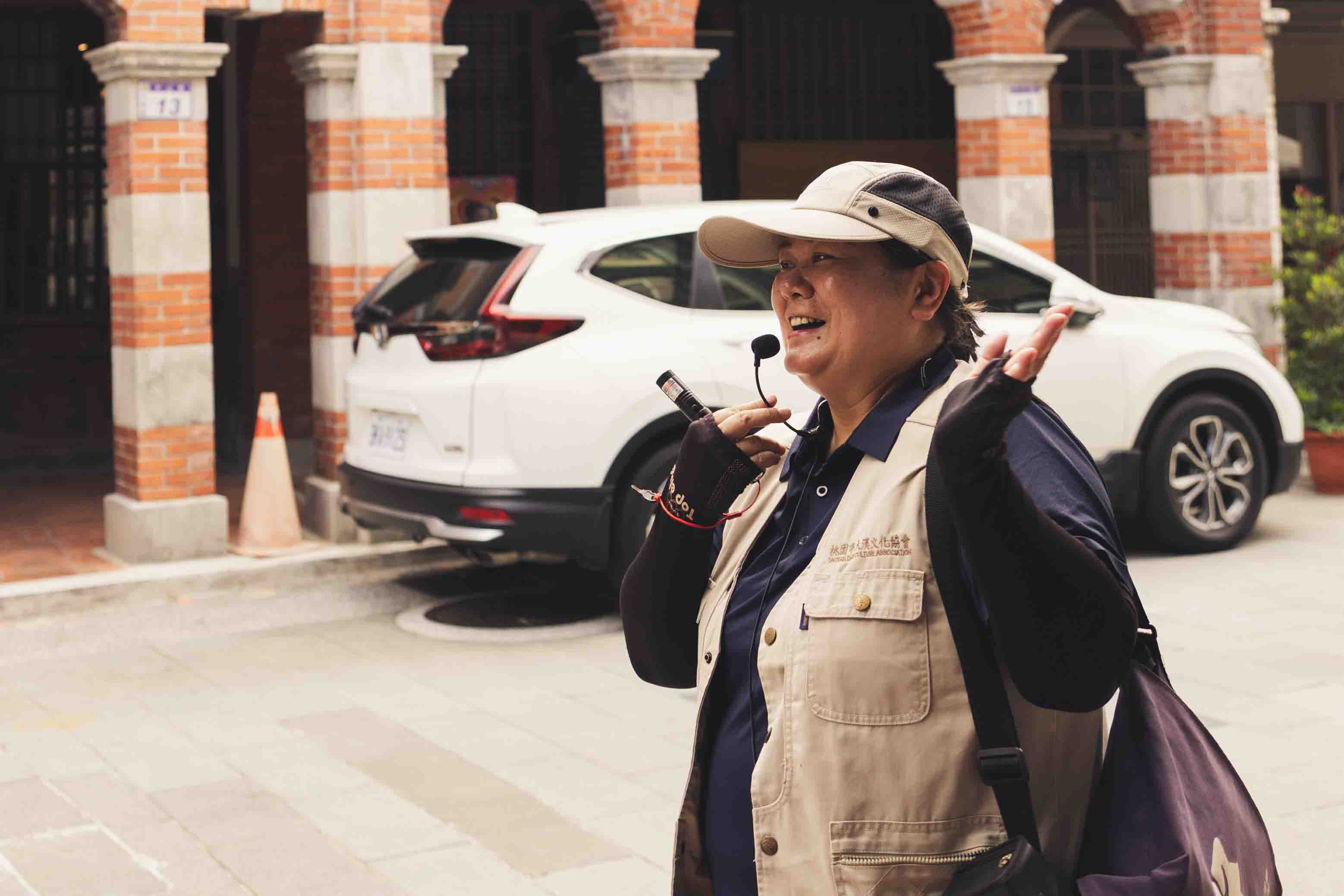
Daxi Cultural Association
🔗 Facebook Page
Led by locals who grew up on the old street, their guides know Daxi’s history inside and out and share lesser-known stories. They also provide English-language tours, making them ideal for international visitors.
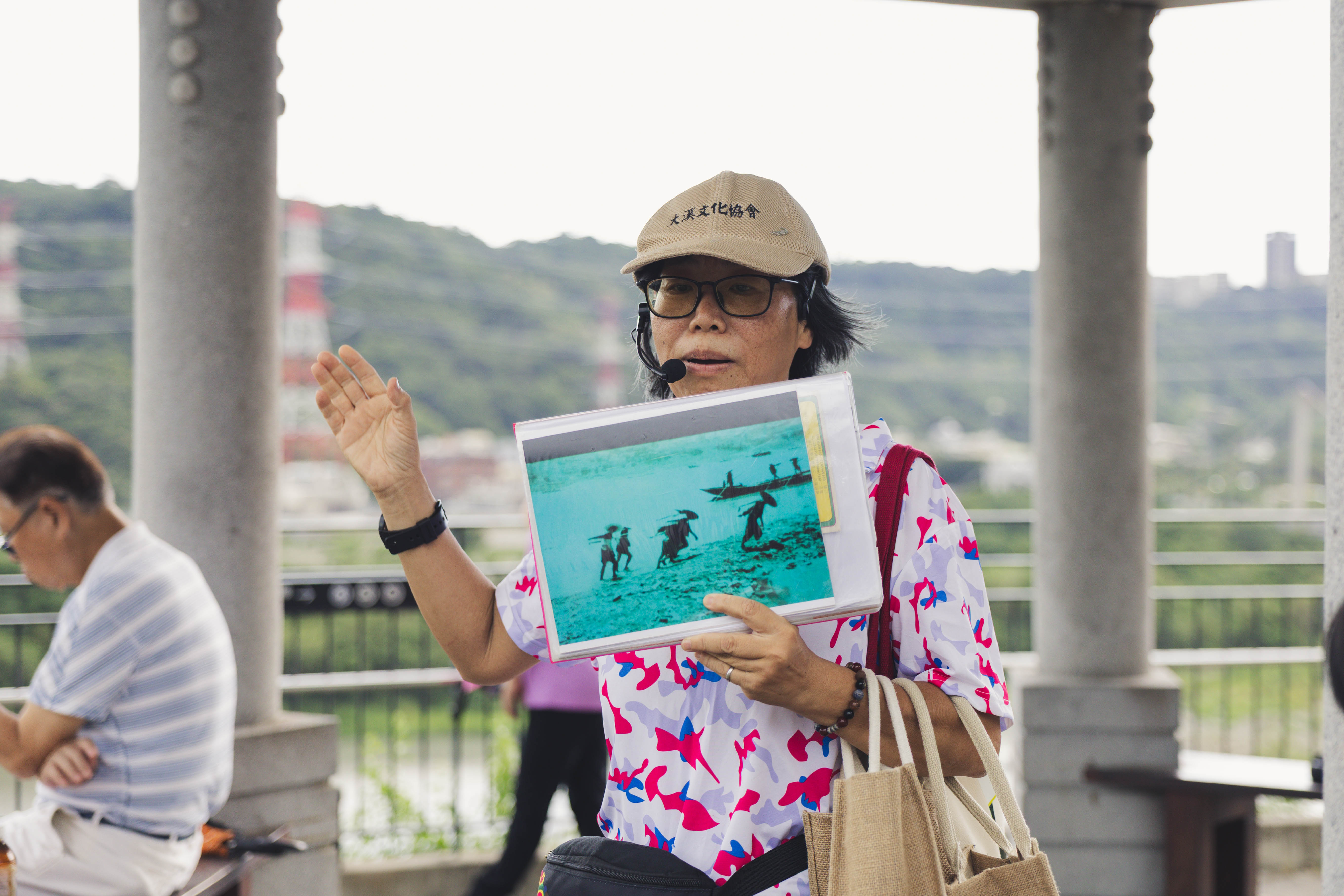
Taoma Field Studio (桃媽田野工作室)
🔗 Facebook Page
Perfect for those interested in eco-friendly farming, plants, hydrology, or family activities. Taoma also organizes weekend parent–child picture-book reading events as well.
Suggested Itinerary: Cooking + Guided Tour
For groups of 18 or more booking our cooking class, we recommend splitting into two groups of 9 to ensure class quality and comfort. One group can take the cooking class while the other joins a guided tour and meal, then switch in the afternoon.
Sample schedule:
10:00–13:00 Group A: Cooking Class / Group B: Old Street Guided Tour + Lunch
13:00–14:00 Transition Time
14:00–17:00 Group B: Cooking Class / Group A: Old Street Guided Tour + Lunch
This arrangement allows everyone to fully experience both the cooking class and Daxi’s cultural heritage in a single day.
More Recommendations
相關文章
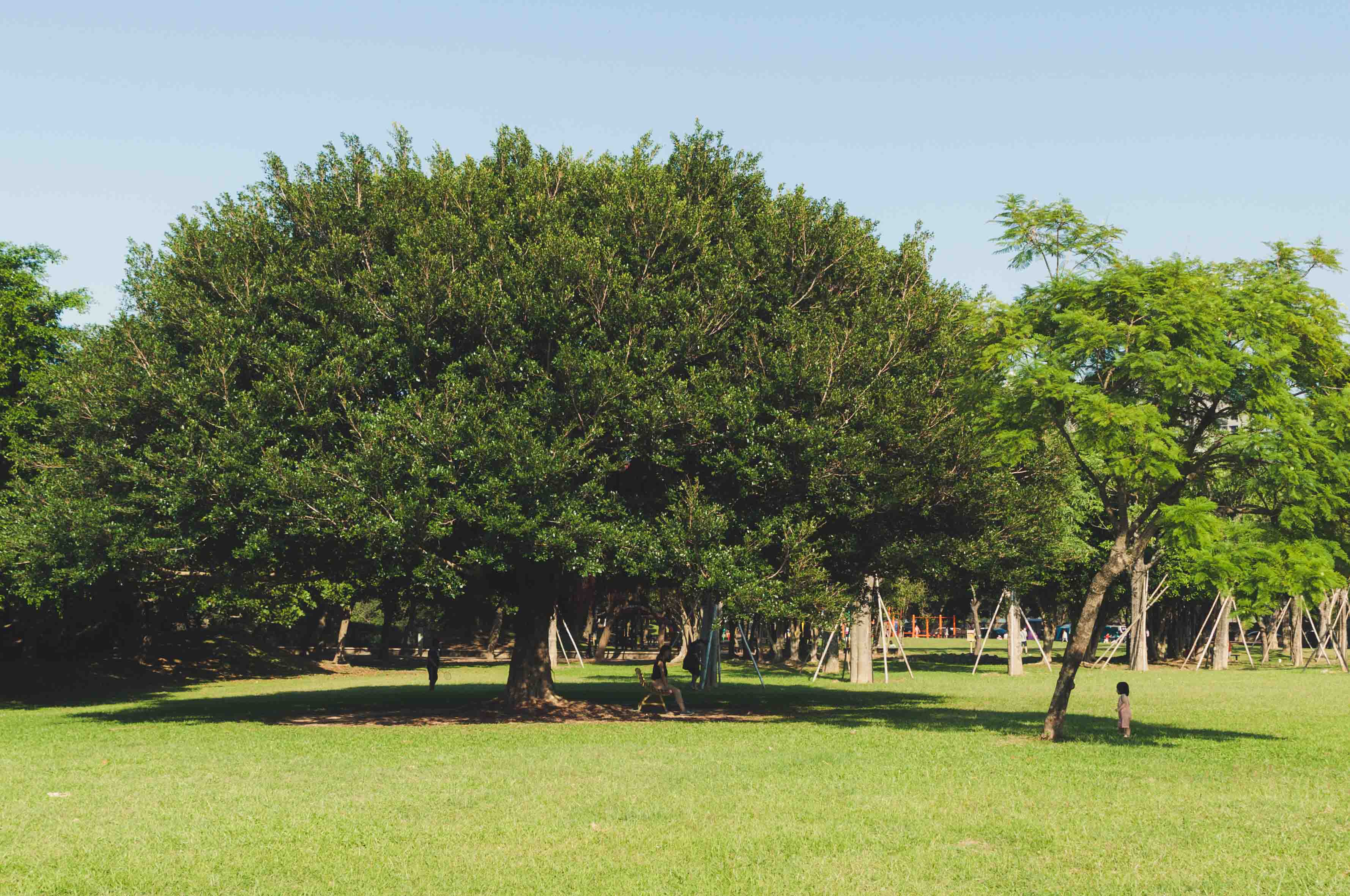
Recommended Spots Around Our Sanheyuan
As our Sanheyuan has limited space, once classes begin, entry is only open to registered participants.This guide lists cafés and nearby places suitable for waiting, so that accompanying friends or children who are not joining the class will still hav...
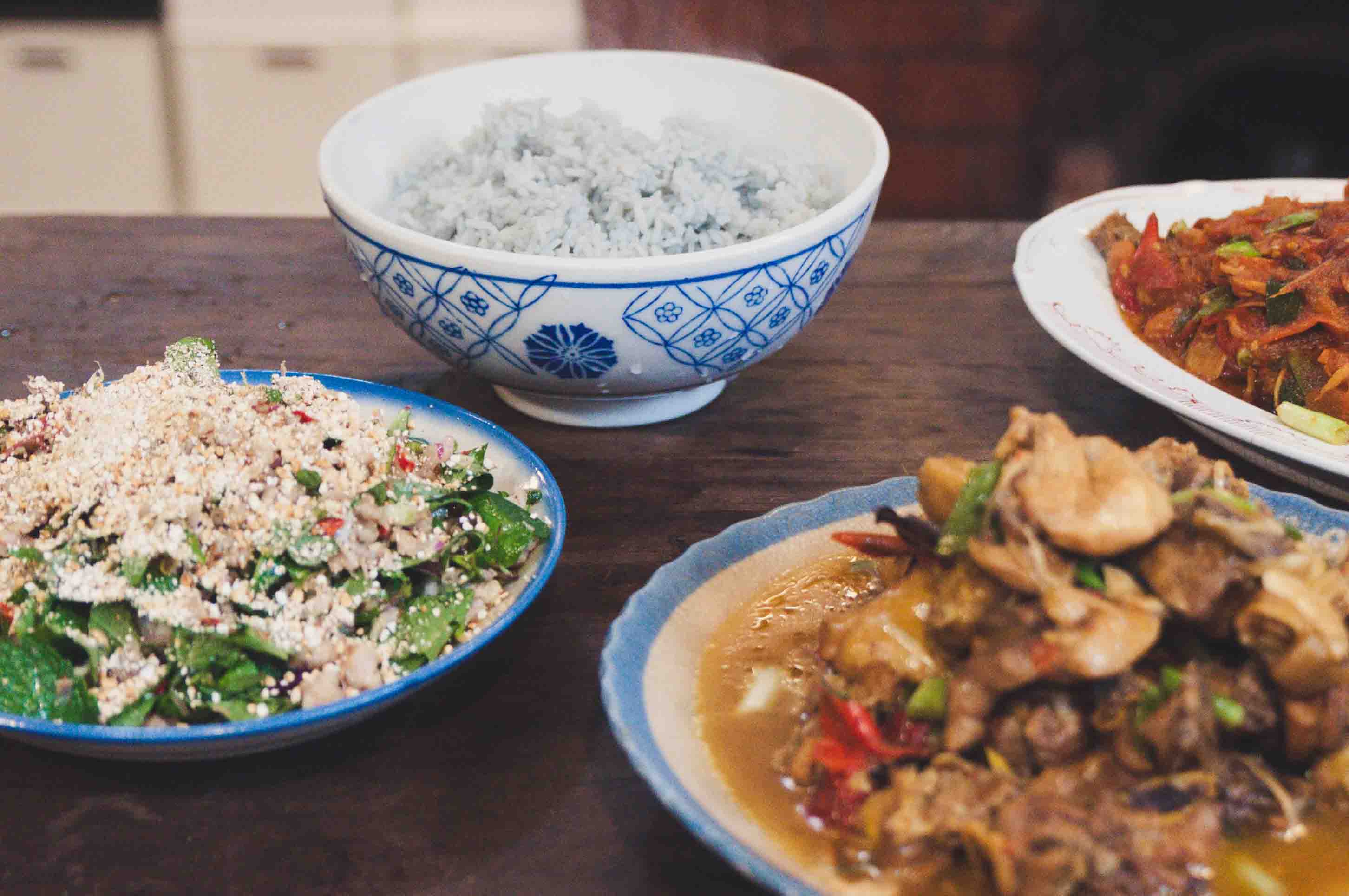
Recommended Restaurants
For who coming to our Sanheyuan for class, if you’d like to plan a meal before or after, here’s a list of restaurants we often recommend! Please remember to make reservations in advance—especially on weekends, when both restaurants and traffic can be...
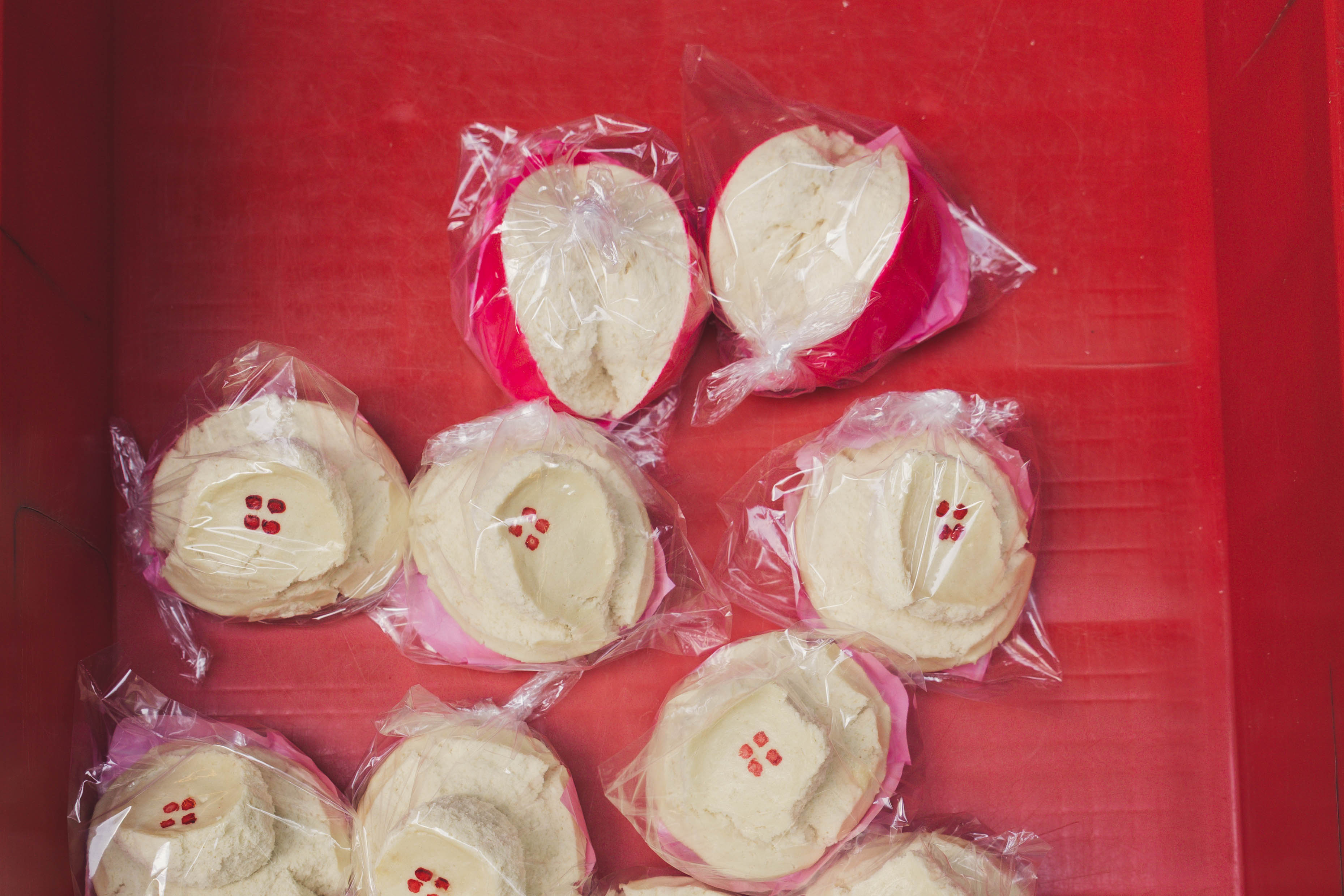
Rice-Based Souvenirs from Daxi
Even though rice consumption in Taiwan has steadily declined in recent years—due to dietary Westernization and more diverse food choices—rice remains one of Taiwan’s most important crops, a nation built on agriculture.Through our Kueh cooking classes...
Accommodation Recommendations in Daxi
We highly recommend that visitors spend two to three days in Daxi to truly appreciate the charm of this small town.On weekdays, the old street is perfect for a leisurely stroll. On weekends, although it can get quite crowded, by around 5 p.m. the tow...
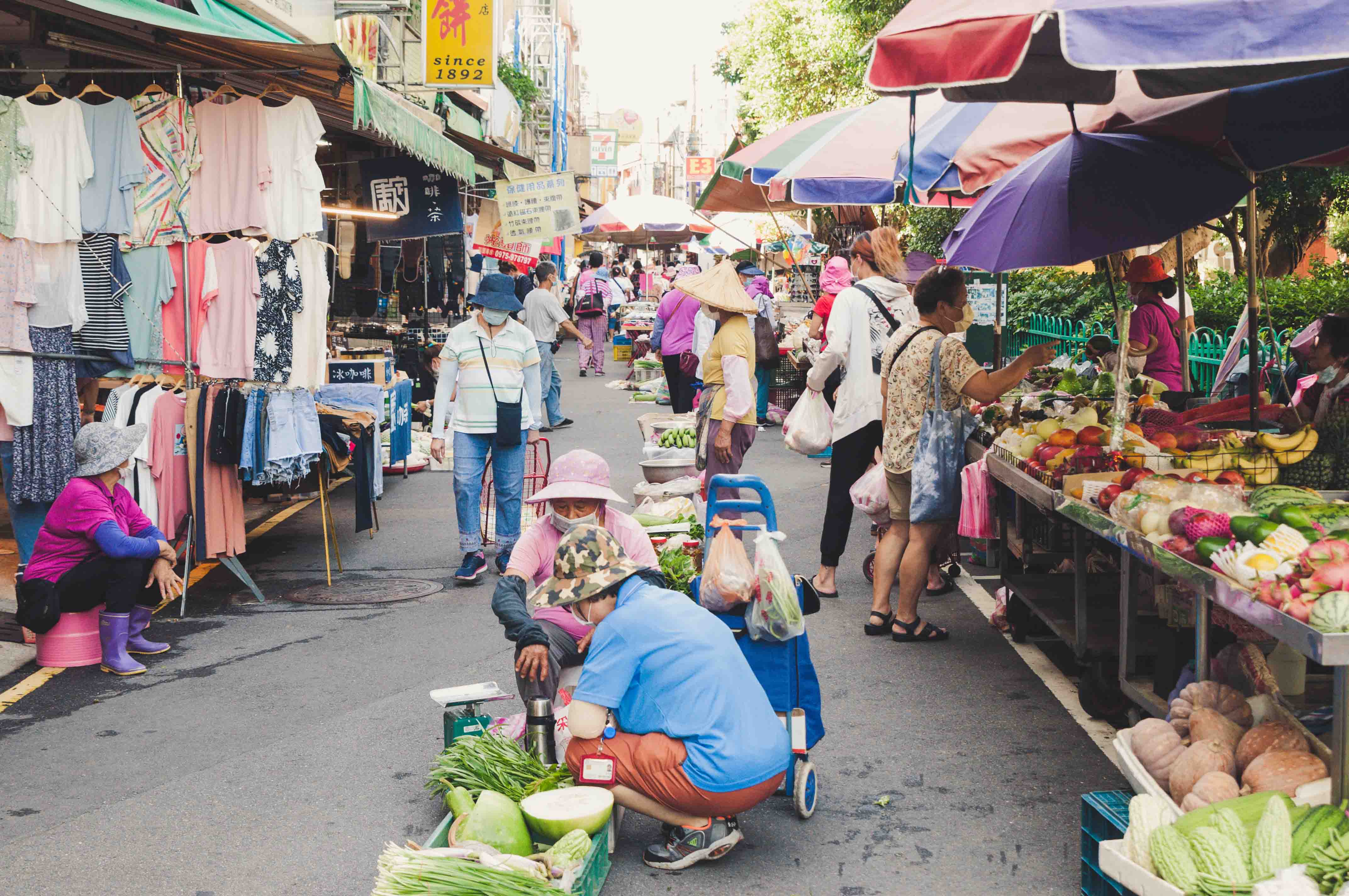
A Chef’s Guide to Daxi
Our cooking studio is located in a traditional Sanheyuan courtyard in Daxi, Taoyuan.For most Taiwanese, Daxi is best known for its old street and tofu products. But more than a hundred years ago, Daxi was famous as a trading hub for resources from th...